The End of an Era: Why Target’s Creator Program Exit is a Wake-Up Call for E-commerce Affiliate Strategy
 Chad Smalley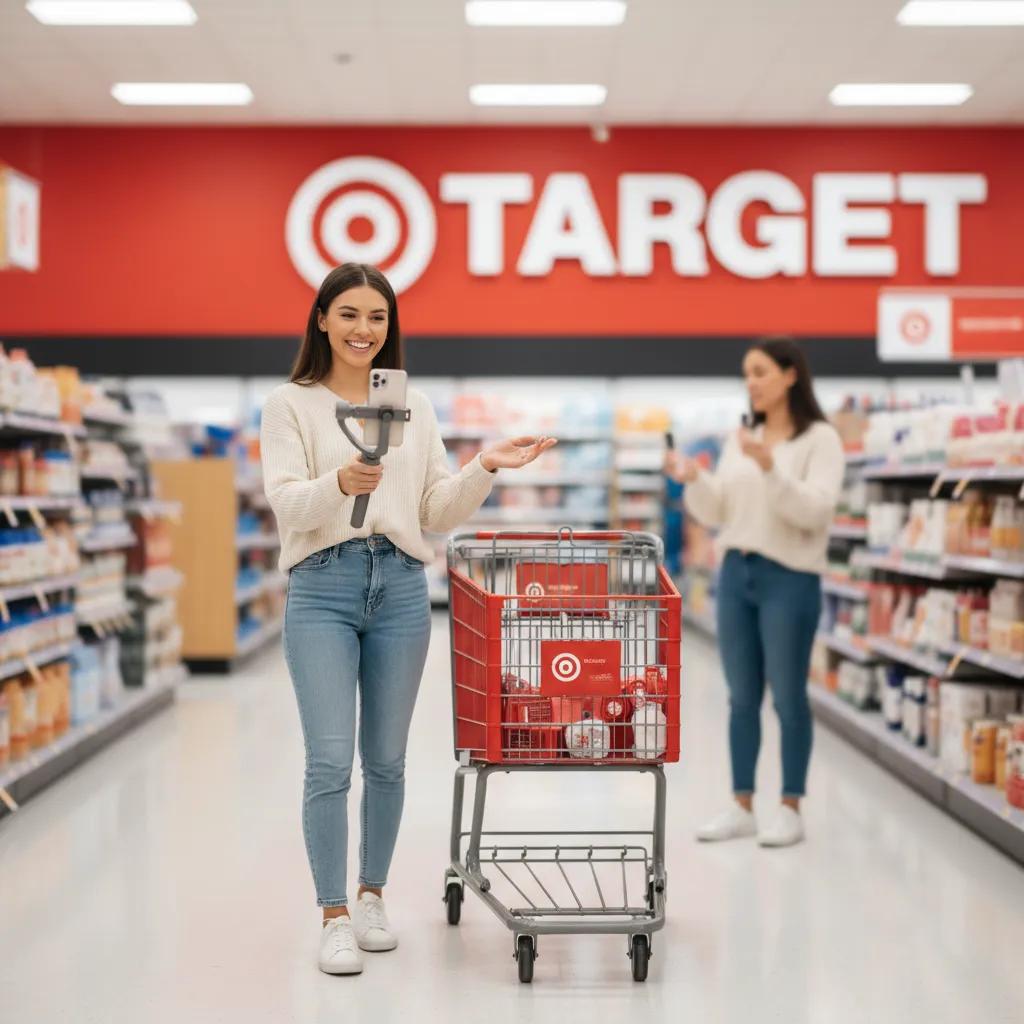
Target's Creator program exit signals a shift in e-commerce strategy. Learn why nano-influencers and performance metrics are the future of affiliate marketing.
When a retail giant like Target quietly sunsets a high-profile creator affiliate program in favor of leaner, more targeted influencer relationships, the entire e-commerce world needs to lean in. This isn't just a minor administrative shuffle; it’s a clear signal about where the economics of creator-led commerce are moving in 2026.
According to reports from Ad Age, Target has officially closed its "Target Creator" program—a structured initiative that allowed content creators to earn commissions through traditional affiliate-style links. In its place, the retailer is pivoting toward nano-influencers and gamified engagement. This shift highlights a massive reality check for major brands: massive creator programs are often too complex to scale and too difficult to track effectively.
The Collapse of the "Middle Ground" Model
Target launched its Creator program to bridge the gap between high-reach brand ambassadors and performance-based affiliate marketing. On paper, it was perfect. Creators got access to curated catalogs, and Target got trackable sales. However, the "middle ground" is notoriously difficult to manage. Traditional affiliate marketing scales because the technical infrastructure (tracking, payments, compliance) is rock solid. Influencer marketing, conversely, offers reach but often lacks measurable ROI.
UGC LATAM tip: Programs that try to do both often end up with the operational headaches of influencer management and the tracking gaps of old-school affiliate networks. Target’s exit is a textbook example of these friction points reaching a breaking point at scale. For affiliate managers, the lesson is clear: if you can't measure it accurately, you can't scale it sustainably.
Why Nano-Influencers are Winning the ROI Race
Community Over Follower Count
The move toward nano-influencers (those with 1,000 to 10,000 followers) is a strategic play for authenticity. These creators occupy tight-knit niches where their word actually carries weight. While a celebrity might get views, a nano-influencer gets conversions. Their engagement rates are consistently higher, and their "cost-per-activation" is a fraction of what macro-influencers demand.
Performance-Based Logic
From an affiliate perspective, nano-influencers are the perfect partners. They are often more willing to work on performance-based terms—earning a commission on actual sales rather than demanding massive flat fees up front. This aligns the creator's incentives directly with the brand’s bottom line. The challenge isn't the talent; it's the operational layer required to manage a thousand small relationships instead of ten big ones.
The AI Factor: A New Attribution Nightmare
We also have to consider the Rise of Agentic AI Shopping. As AI assistants begin to handle product research and purchasing for consumers, the traditional path from "see a video" to "click a link" is being disrupted. If an AI agent makes the final routing decision, who gets the credit? This compression of the customer journey makes last-click attribution models increasingly obsolete.
Creators who focus on search-indexed, high-authority content will likely survive this shift better than those relying solely on social algorithms. Authentic, specific recommendations that AI systems can parse will hold more value than broad lifestyle content. Brands must audit their tracking infrastructure now to ensure they can capture value in a multi-touch, AI-driven world.
Closing Thoughts for Brands and Managers
Target’s exit isn't an isolated event; it’s a prompt for every e-commerce brand to audit their partnerships. If your creators are operating outside your core tracking systems—using opaque agency reports or flat-fee deals with no performance ties—you have a measurement problem that will eventually become a budget problem. Treat your creator partnerships with the same rigor as publisher recruitment: focus on structured onboarding, clear commission terms, and data-driven transparency.
Get the latest UGC and creator economy insights.
Join thousands of brands and creators getting our weekly newsletter.
UGC for your industry
About Chad Smalley
UGC marketing expert specializing in Latin American creator campaigns and influencer partnerships.
Subscribe to Our Newsletter
Get weekly insights on UGC marketing across Latin America
Related articles
Frequently asked questions about UGC in LATAM
- campaignsRead: What Is Tech UGC? A Practical Guide for Creators and Brands in 2026
- ugcRead: Mastering Your First UGC Video Without a Paid Brand Deal
- tiktok-shopRead: How to Get Free Samples on TikTok Shop: A Guide for Creators
- creatorsRead: The Best Tools to Create a Pro-Level UGC Portfolio
- creatorsRead: The Middle-Class Creator: Earning a Corporate Salary on TikTok
- marketingRead: Instagram Reels Algorithm: What Creators Need to Know to Win in 2026